
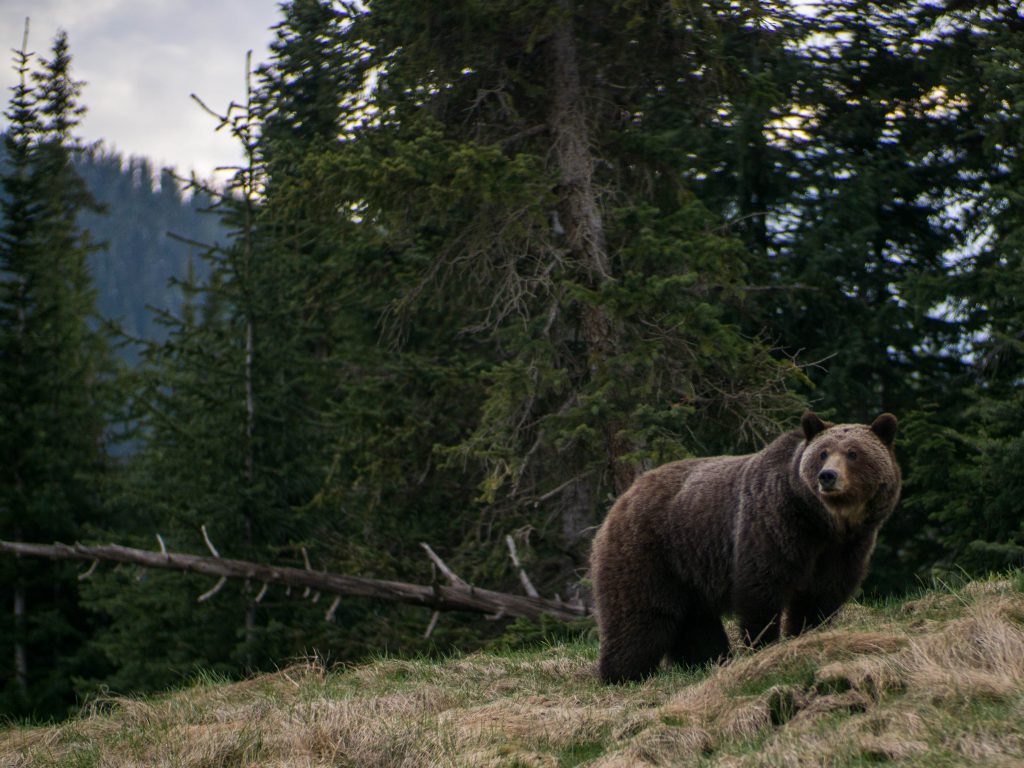
I’ve been a Ranger for two seasons now and can’t count the number of times I’ve given my “bear aware” talk to visitors on the trails. Wildlife education is one of the greatest tools we can use to keep people safe from bears and bears safe from people. For those of us who love being …
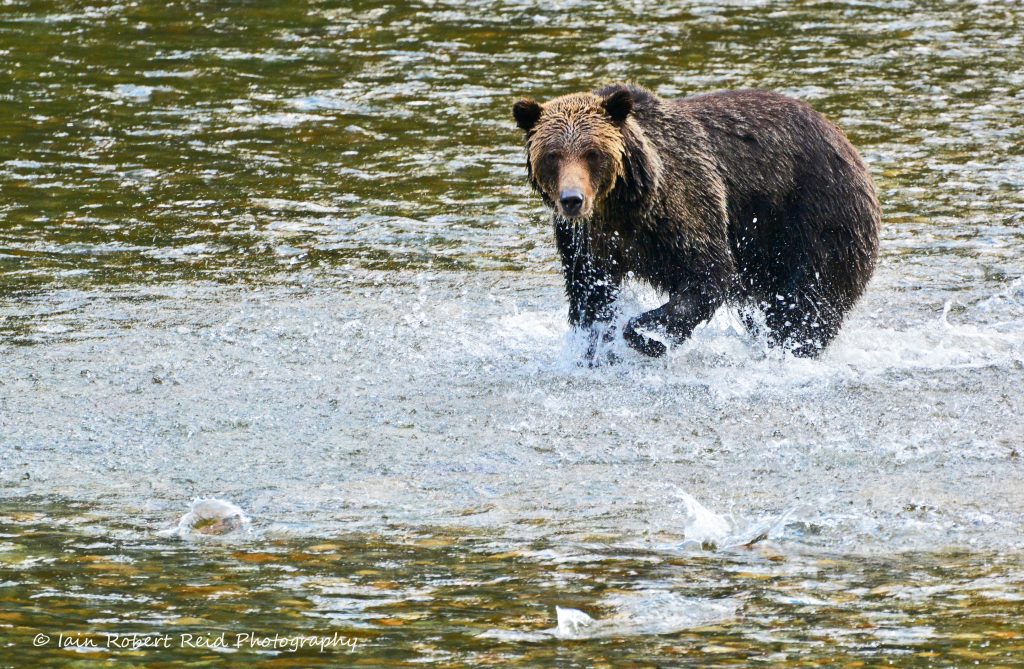
The changing seasons bring with them changing opportunities to experience wildlife and connect with nature in our parks. As the summer comes to a close, nature begins its autumnal preparations for winter. With autumn comes spawning salmon. With salmon come bears. With bears come…people – from far and wide, hoping to get a chance to …
Do you ever wonder just how healthy our environment in BC is? How clean is our air and water? How fast is our climate changing? And – perhaps – how much of our land and water is protected? Environmental Reporting BC provides access to scientific data and information about the state of our environment and …
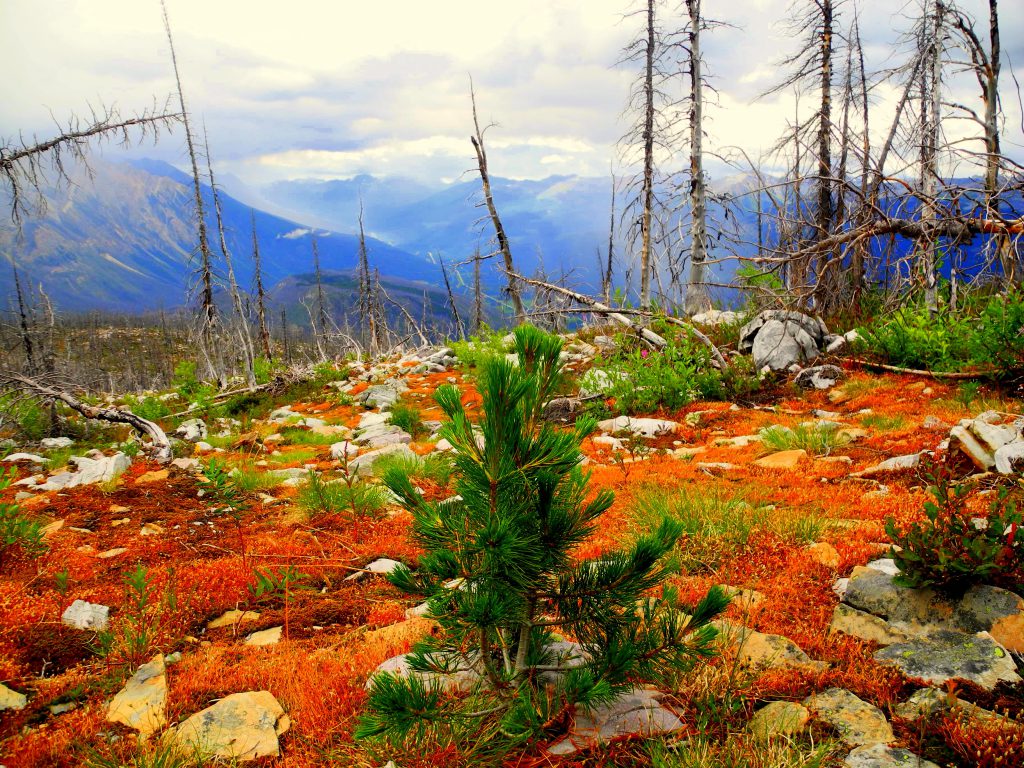
The whitebark pine is an extremely long-lived tree species that is found at the upper subalpine elevations. In 2010, the Committee on the status of Endangered Wildlife in Canada designated whitebark pine as an endangered species with “a high risk of extirpation from Canada” (COSEWIC 2010) due to the combined impacts of white pine blister …
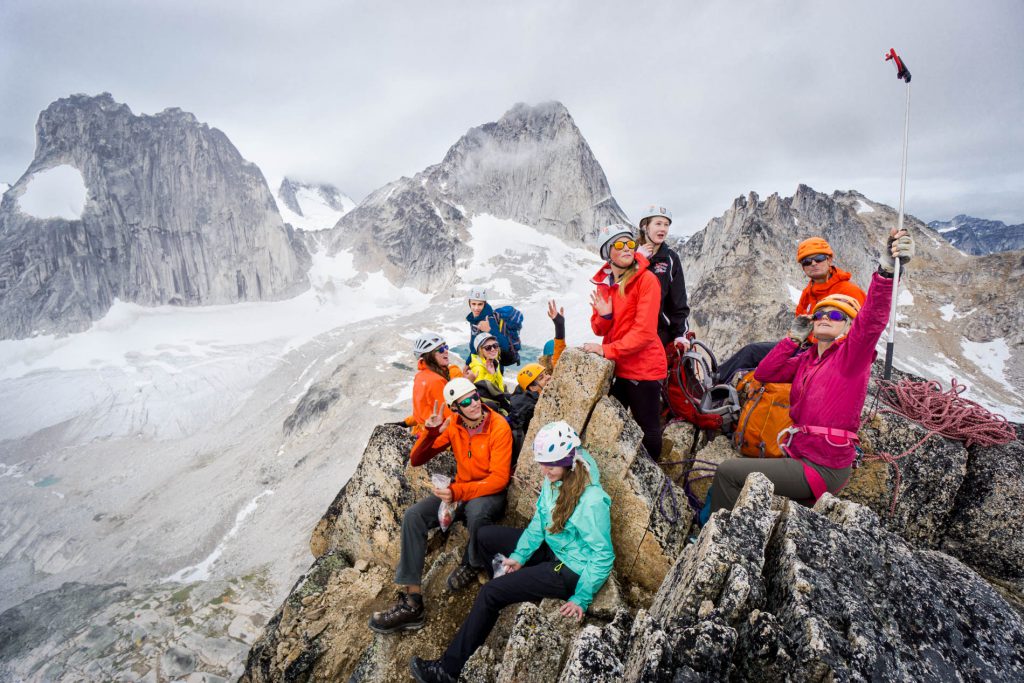
$240,000 is now available for BC Parks volunteer projects taking place in 2016/17. Each of BC Parks’ five regions have been allocated $20,000 to support conservation projects, and $20,000 to support recreation projects. There is also $40,000 for multi-regional projects. To access this funding for a specific park, please contact your local BC Parks staff …
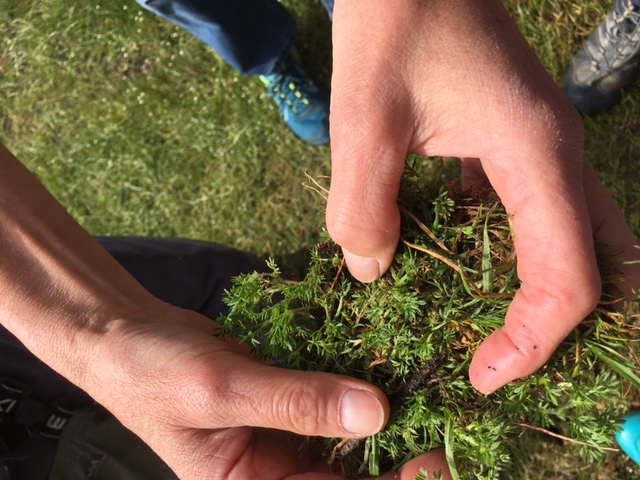
Aggressive, swarming ants that deliver a painful sting? Highly competitive and toxic plants that produce up to 100,000 seeds? Mussels that could severely deplete the food supply of native salmon? These invasive species – European fire ants, giant hogweed and zebra/quagga mussels – are just three of the 320 species that threaten BC’s environment, economy …
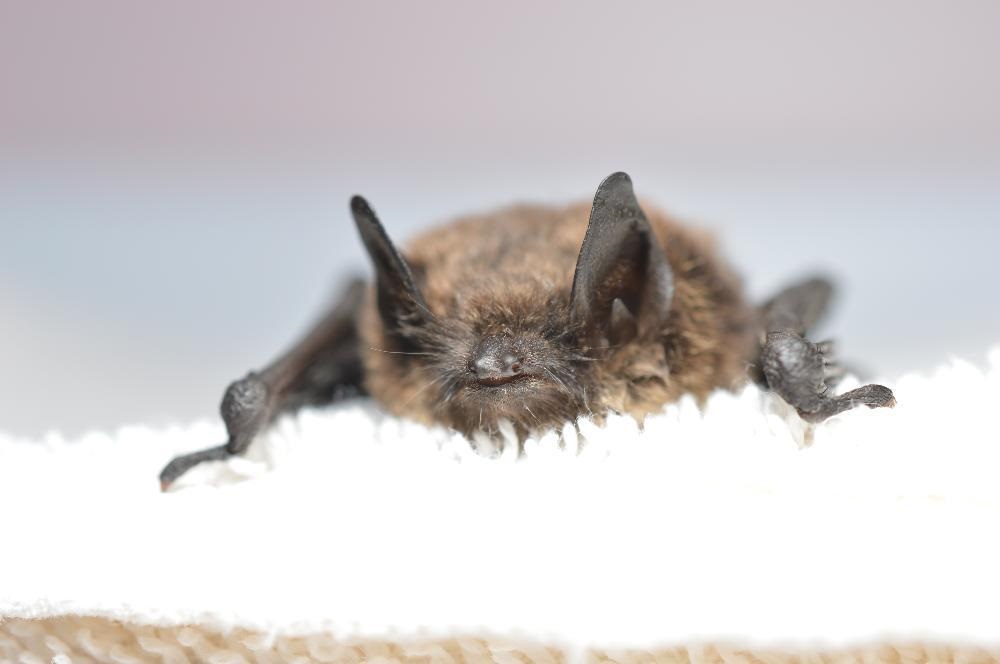
White nose syndrome is a devastating disease in bats. It is caused by a white fungus (Pseudogymnoascus destructans) that grows on a bat’s nose and wing membranes. It was first discovered in North America in 2006, in Eastern New York, and has since spread across the east to 28 states and 5 provinces. White nose syndrome …

Taylor’s Checkerspot (Euphydryas editha taylori) butterflies are extremely rare! In Canada, they are only found on Denman Island. They’re clinging to survival within small portions of seasonal wetland and meadow habitats in a former clear-cut logging area in the new Denman Island Provincial Park and Protected Area, as well as in some adjacent private properties …
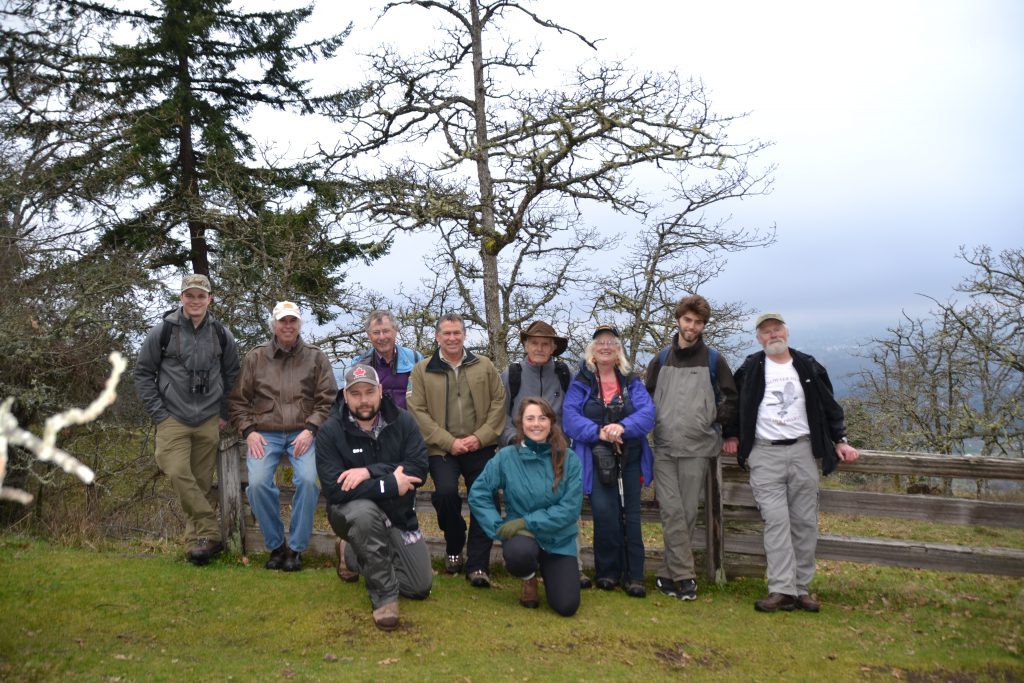
B.C.’s ecological reserves are established to protect representative, particularly rare, or endangered ecosystems, plants, animals or geologic features. They are well protected places to do appropriate research, to teach and to learn about how ecosystems recover or change over time. Most ecological reserves are open to the public for low impact activities such as hiking, …