Losing a camera and finding rare species in the Okanagan
Categories:
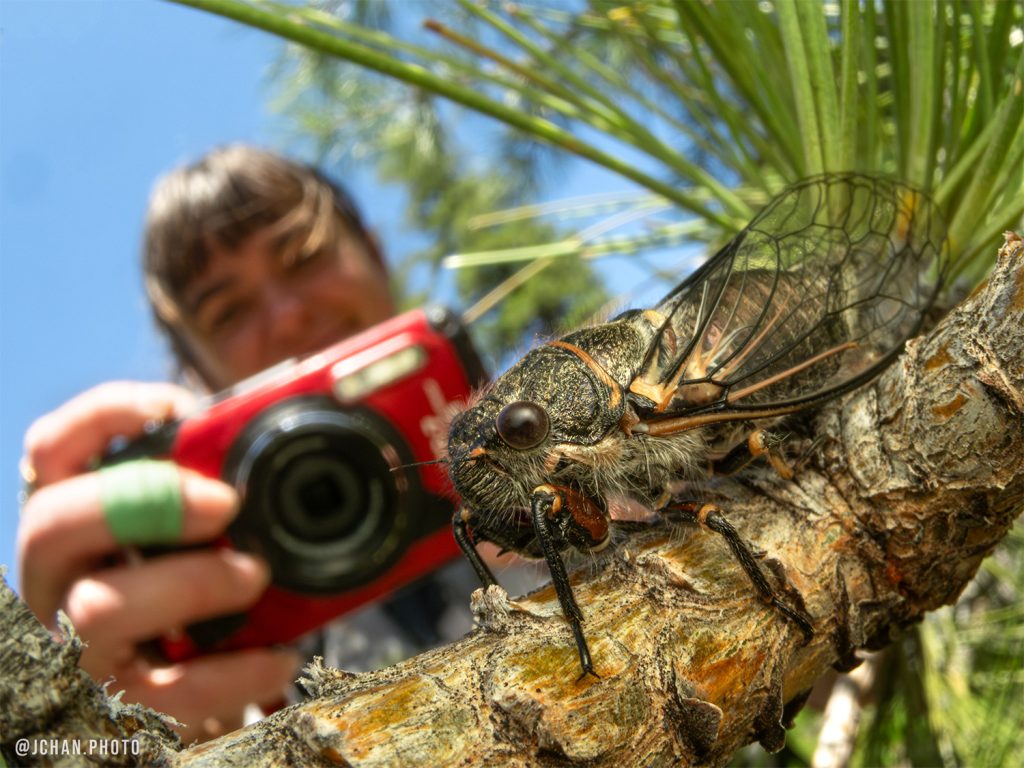
Guest blog by Abby Hyde, 2024 and 2025 field crew member of the BC Biodiversity Program.
Portions of the South Okanagan Grasslands Protected Area were closed at the time of publication. Check the BC Parks website for up-to-date information on closures.
This story is a lost-and-found saga about a camera, but really it’s a glimpse into the field work life of the BC Biodiversity Program (formerly the BC Parks iNaturalist Project). We are a group of naturalists who spend the spring and summer surveying any and all wild living things across British Columbia. Our hope is to find rare and less well-known species. We focus our efforts within BC Parks, ecological reserves, and protected areas thanks to funding from the BC Parks License Plate Program. The program is also supported by The Sitka Foundation, Simon Fraser University, and the University of Victoria. Our survey protocol is straightforward: to photograph species and upload each record to the citizen science platform iNaturalist as an “observation”. The team has contributed almost one million observations since the program began in 2019! You can see all of these observations here and follow along as new ones are added next season.
The team begins the field season in May and spends the summer travelling and taking photos until the end of August. The “iNatting” season of 2024 was in full swing by mid-July and we were on our second trip to the Okanagan when one of the worst things that could happen on this job occurred—I lost one of my cameras, the TG. The ‘OLYMPUS Tough TG-6’ camera is a small point-and-shoot that’s great for macro-photography and is quick and easy because it’s light and has a small strap for your wrist. On a typical field day I take around 1,000 photos, which equates to between 250-350 observations depending on the subject. The TG is one of two cameras I use, but unfortunately, because I hadn’t backed up the SD card the day before, there were close to 600 photos on the lost camera.
We had been in the field for a full day in over 30°C weather, so I was taking a break in the shade when I realized the TG was no longer around my wrist! In my defense, not only was it hot in the Okanagan desert, but it was also nearing the end of the day. With only a half hour left on site, I frantically retraced my steps. After an hour of looking with the help of my teammates and still no luck, it was time to call it quits. I knew we were returning later that week, so I rented a metal detector to increase the odds of finding it the second time around. To my surprise and frustration, the camera still didn’t turn up—the metal detector was just beeping at every rock and nail. After accepting defeat and reluctantly abandoning my camera and the SD card full of nature photos, we left.
One long year passed, and a new field season began. Our 2025 trip plan had us visiting the same Okanagan park again, so of course, I stubbornly schemed to retrace my path once more. After all, it was etched in my memory from the year before and would permanently be in my mind.
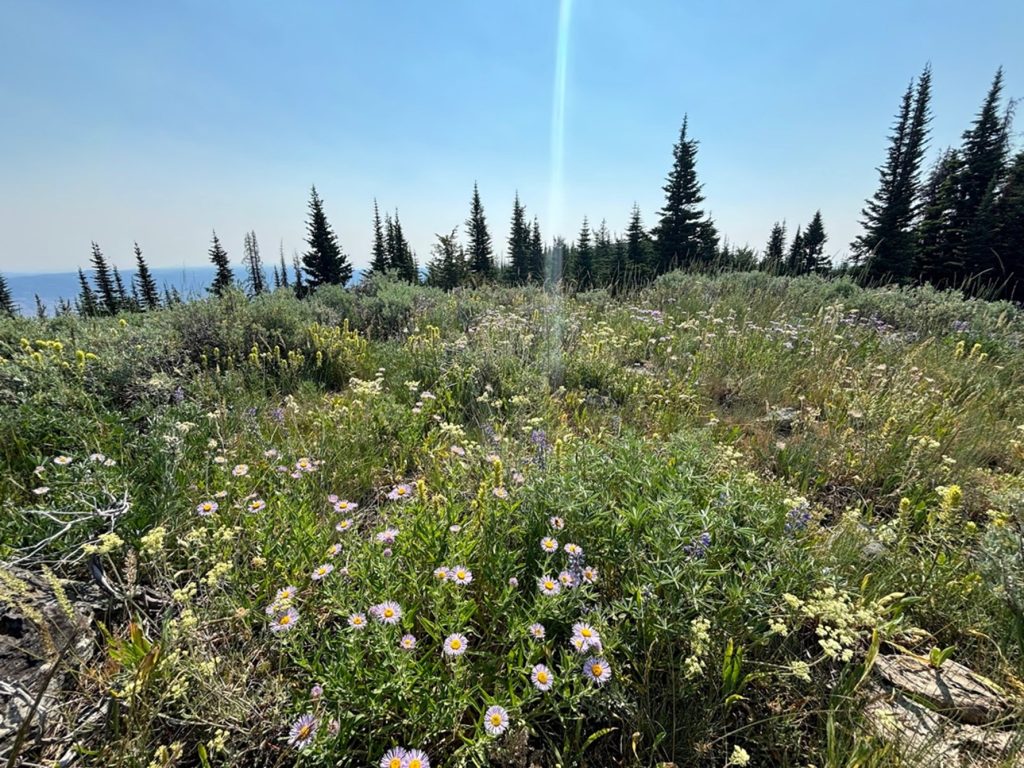
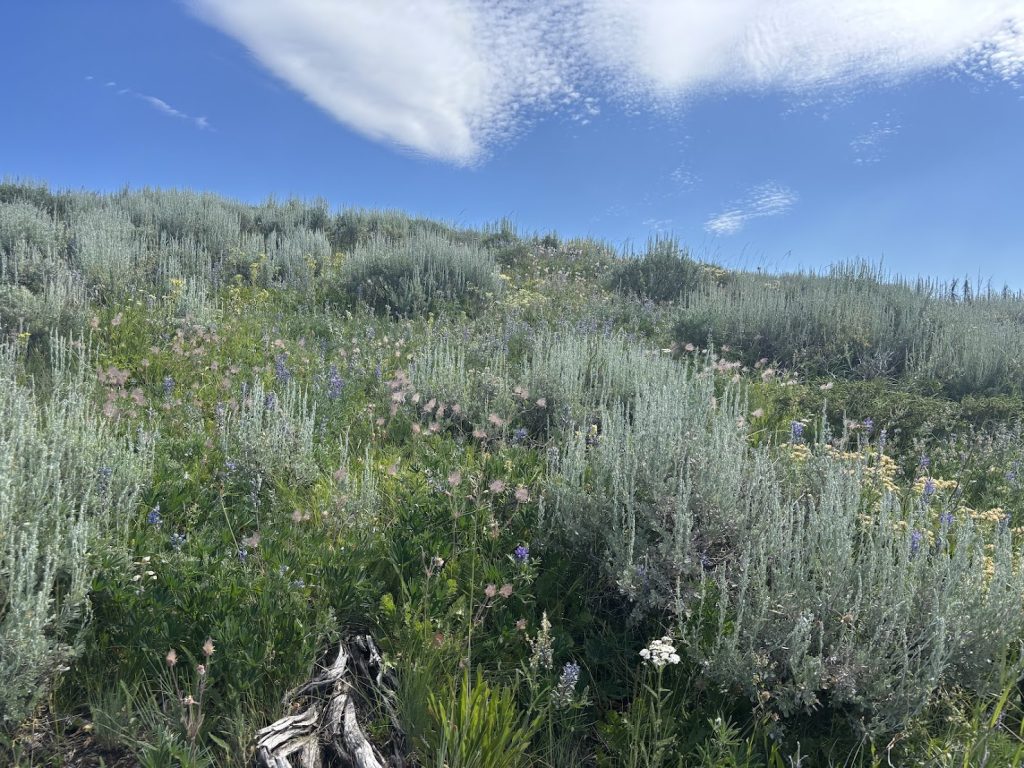
Our destination was Mount Kobau in the South Okanagan Grasslands Protected Area, an area our team returns to regularly to document rare species. Although it was snowing lightly when we arrived, I knew there was some hope of finding the lost camera because the snowpack was just starting to melt. This meant the vegetation hadn’t had time to grow dense enough to create a thick groundcover. Mount Kobau is quite high up at an elevation of 1,873 metres, so even in June, the spring flowers were just starting.
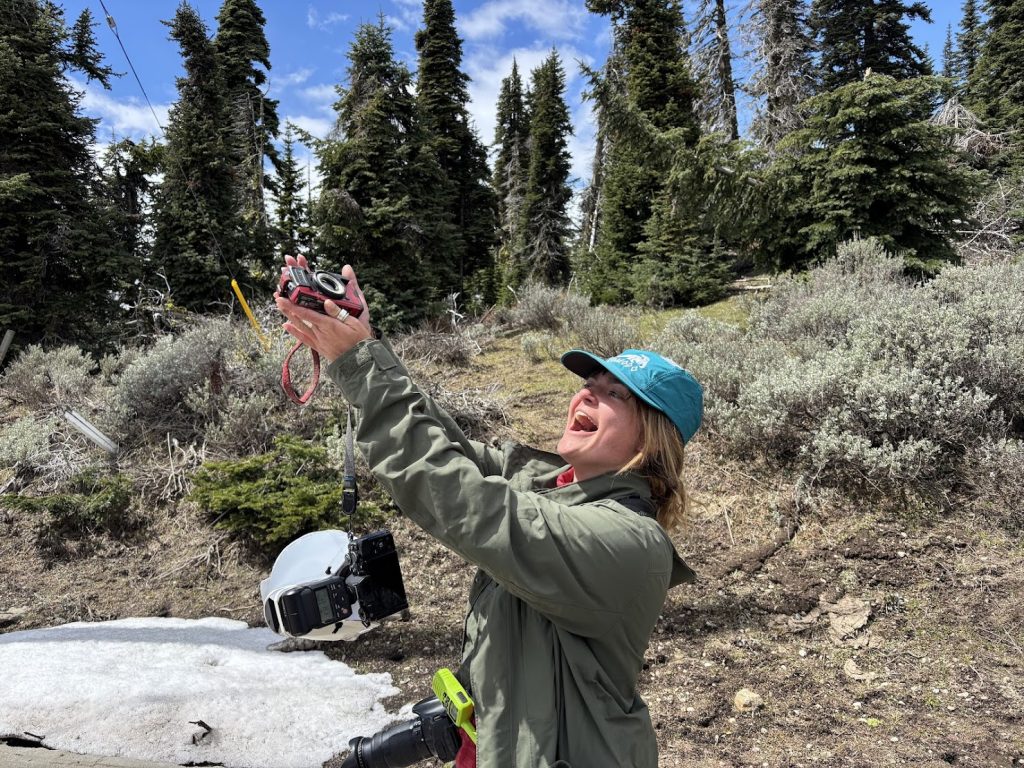
The second we parked, I almost sprinted away to start my search. Amazingly, after only about five minutes of looking and retracing, there it was! The camera was somewhat sunken into the mud but essentially out in the open without the foliage of grass and other perennials to hide it. I shrieked at the top of my lungs to the point that my co-workers thought I must have found a new species for Canada, and in a sense, they were right; this was my find of the day!
The battery was swollen, so I immediately borrowed one from a fellow field crew member –and sure enough, it turned on! It was overall completely fine and still had the photos on the card. This was after a whole year of being in the blistering hot Okanagan heat of up to 40°C, the pouring rain, and thick snowpack. I was in awe! It really withstood the test of time and the elements and lived up to its ‘Tough’ name. I uploaded the photos to iNaturalist immediately when I got back home, adding 200 more observations and 20 more species to the 2024 project. It was truly such an amazing feeling after wondering about the camera’s fate all year long.
There are a few morals of the story, like:
1. Back up your photos every day
2. Don’t swing your arms when you have a camera looped around your wrist
3. But most importantly, never give up and stay determined!
I hope you enjoyed reading this story as much as I enjoyed recalling the roller coaster of losing and finding my camera. If you’re interested in helping us better understand the diversity of British Columbia, it’s as easy as uploading an observation from within any provincial park. Your contribution will automatically be included in our BC Parks project on iNaturalist! See the program’s ‘resources’ page to get started.
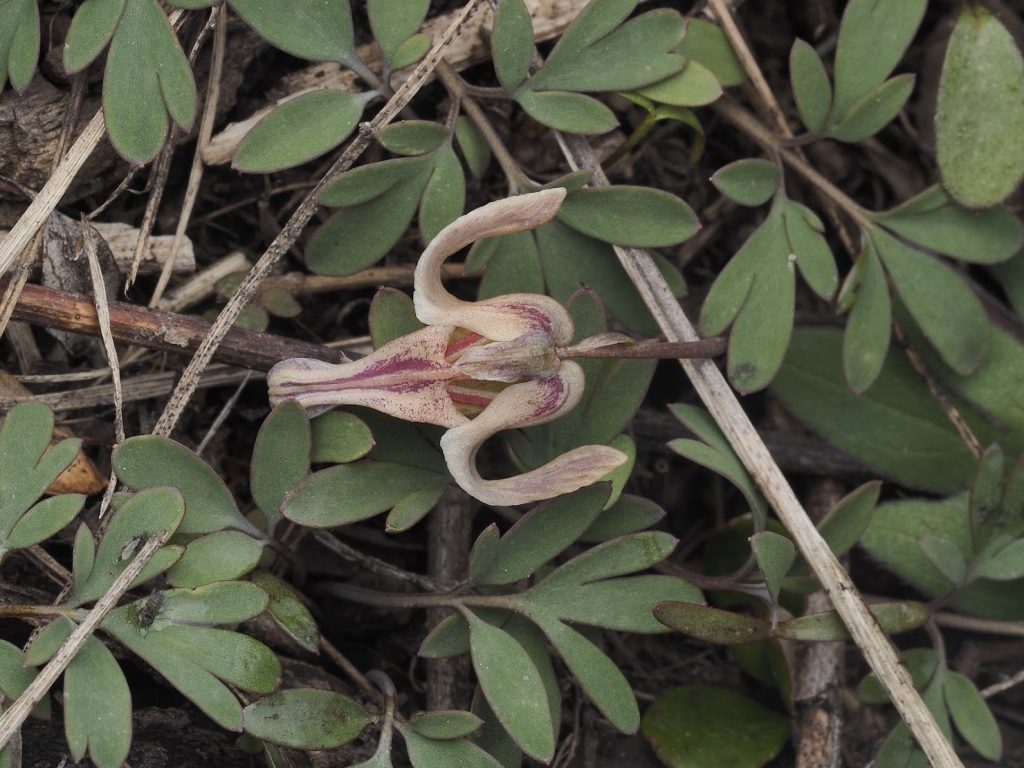
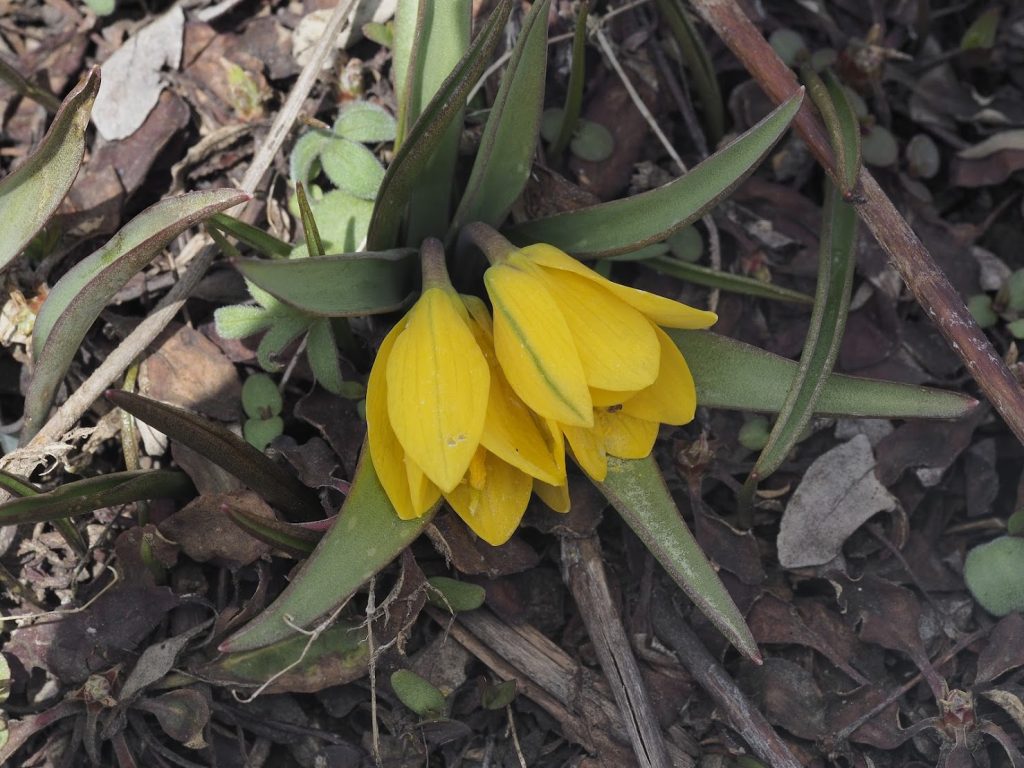
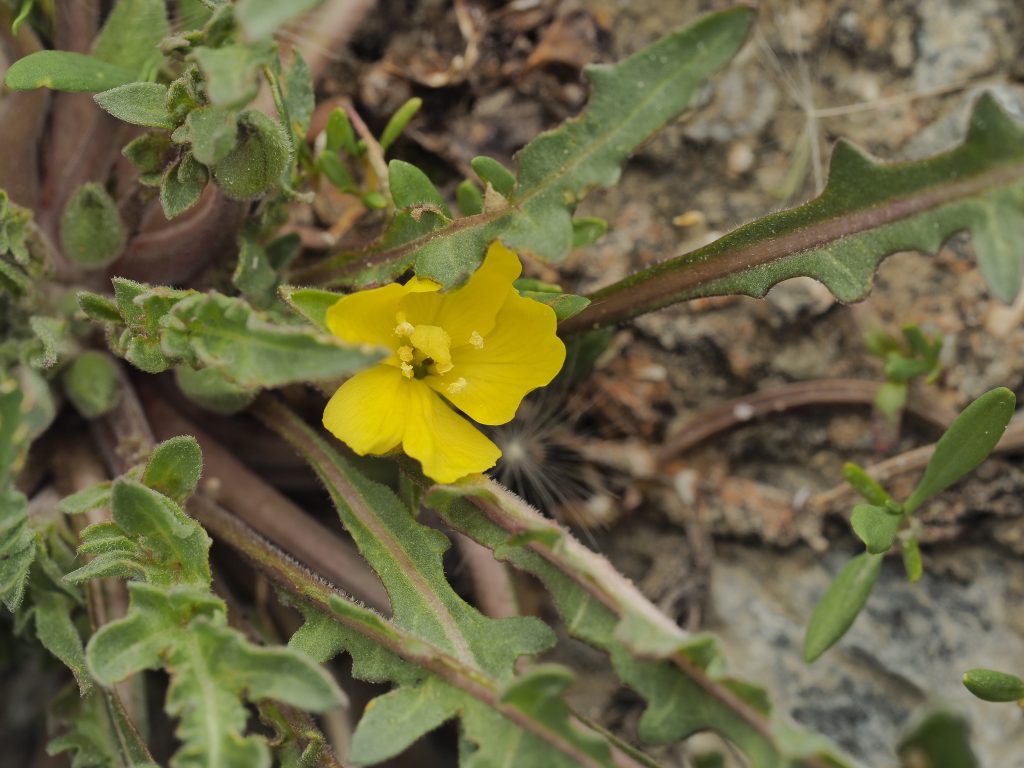
Longhorn steer’s head and yellow fritillary blooming in South Okanagan Grasslands Protected Area in June.