BC Parks licence plate funding is helping restore butterfly habitats at Syringa and Beaver Creek Parks
Categories:
“A five-year project shows how targeted restoration and community action can quickly bring butterflies back.”
Across British Columbia, small restoration actions are making a big difference. At Syringa and Beaver Creek Parks, the Building Butterfly Habitat Project is helping to strengthen ecosystems and increase biodiversity.
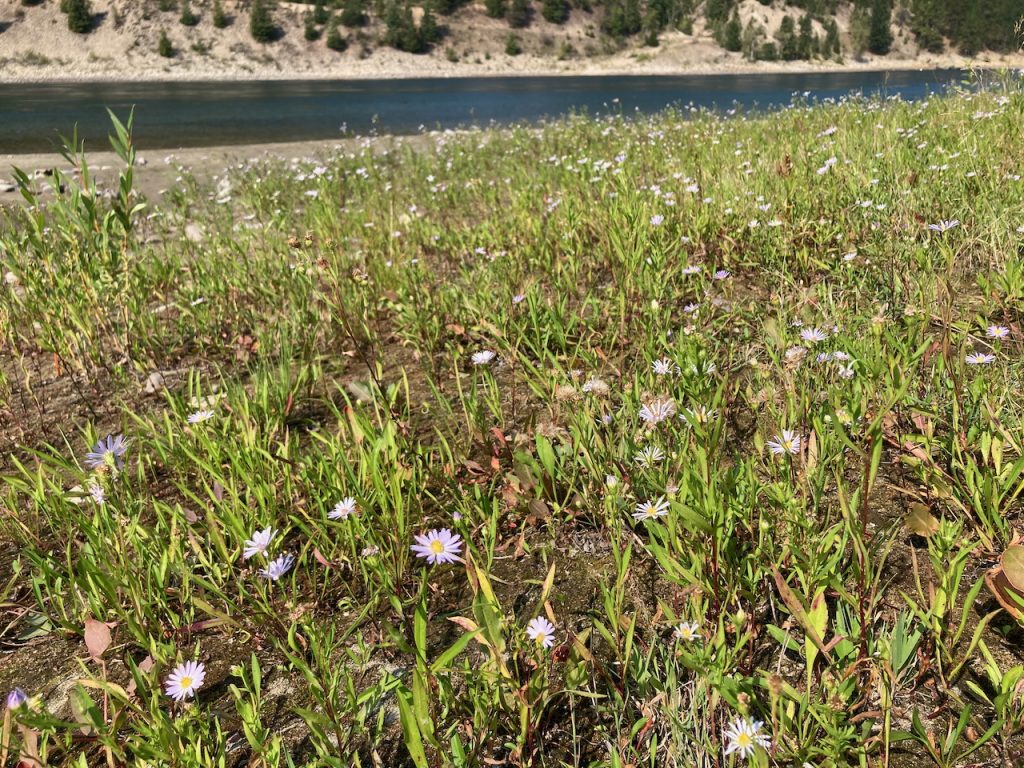
Now in its fifth year, the project funded by BC Parks’ Licence Plate Program and led by the Kootenay Native Plant Society, combines research, restoration, and community engagement to support one of nature’s most important pollinators – the butterfly.
Why butterflies matter
Butterflies play a vital role in building ecosystem resilience through:
- Pollination of plants
- Supporting and stabilizing food webs
- Indicating environmental health changes
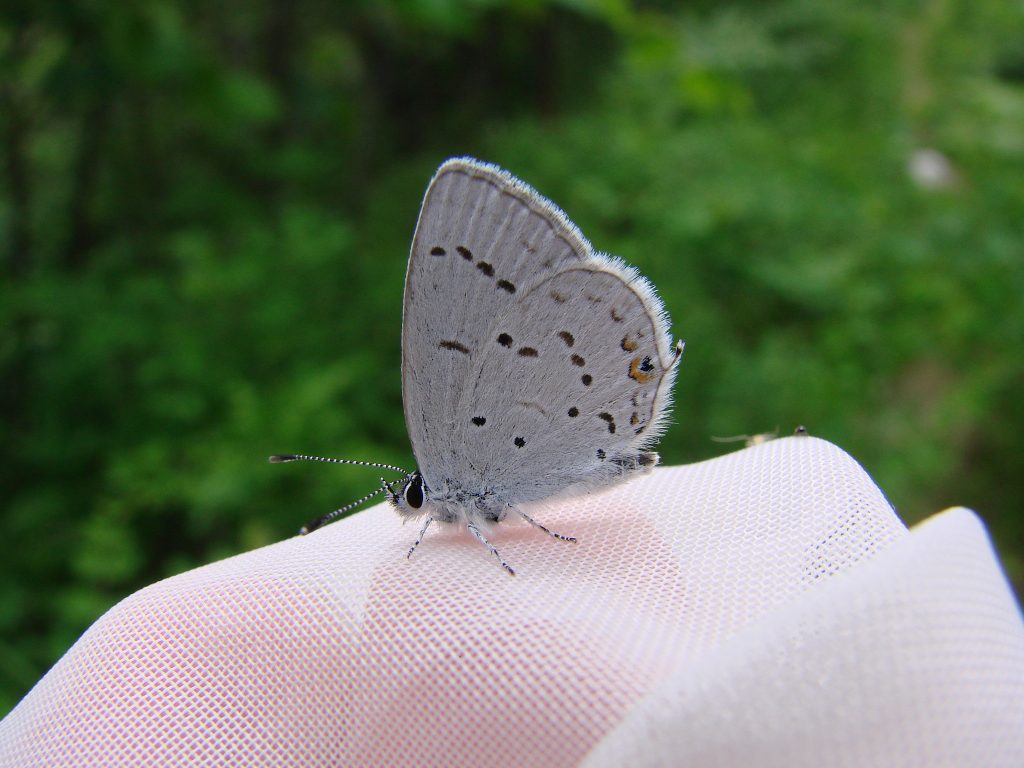
Despite their importance, many butterfly species are at risk from habitat loss, invasive species, and climate change. Therefore, supporting their habitat is a way to strengthen ecosystem resilience.
A science-based approach restoration
The Building Butterfly Habitat Project at Syringa and Beaver Creek parks focuses on restoring and enhancing habitat at both parks using a research-driven approach. Key activities include:
- planting native nectar and host plants
- monitoring butterfly populations and plant relationships
- adapting restoration methods based on long-term data
- building accessible learning gardens for visitors
“When the right plants return, butterflies follow.”
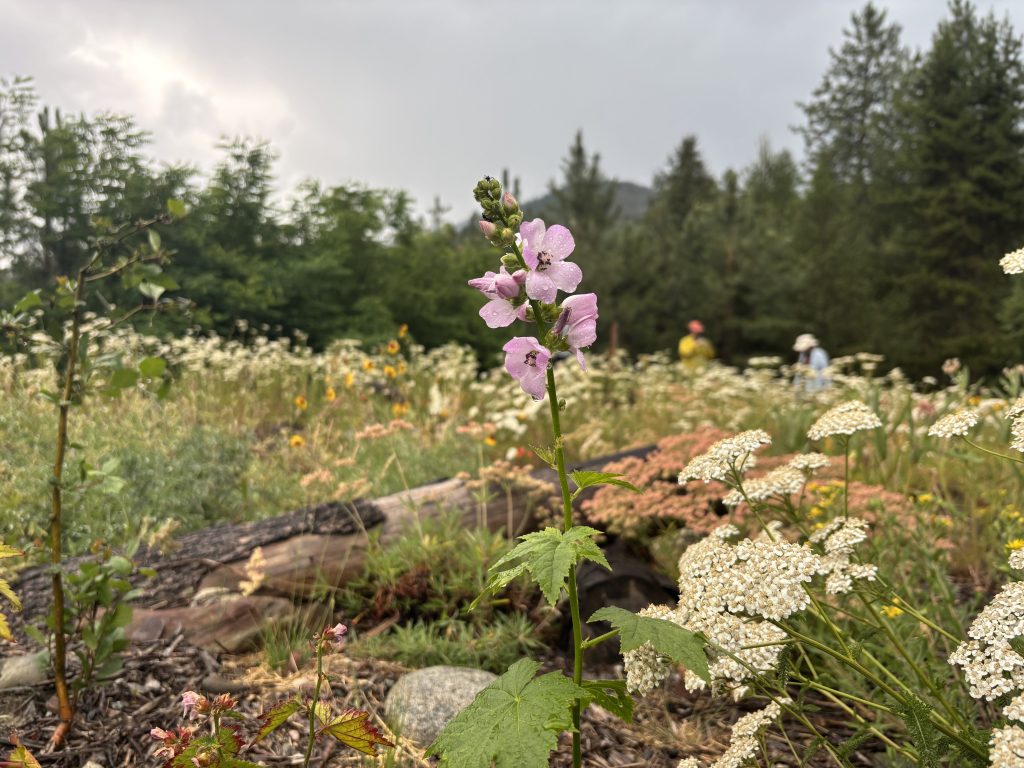
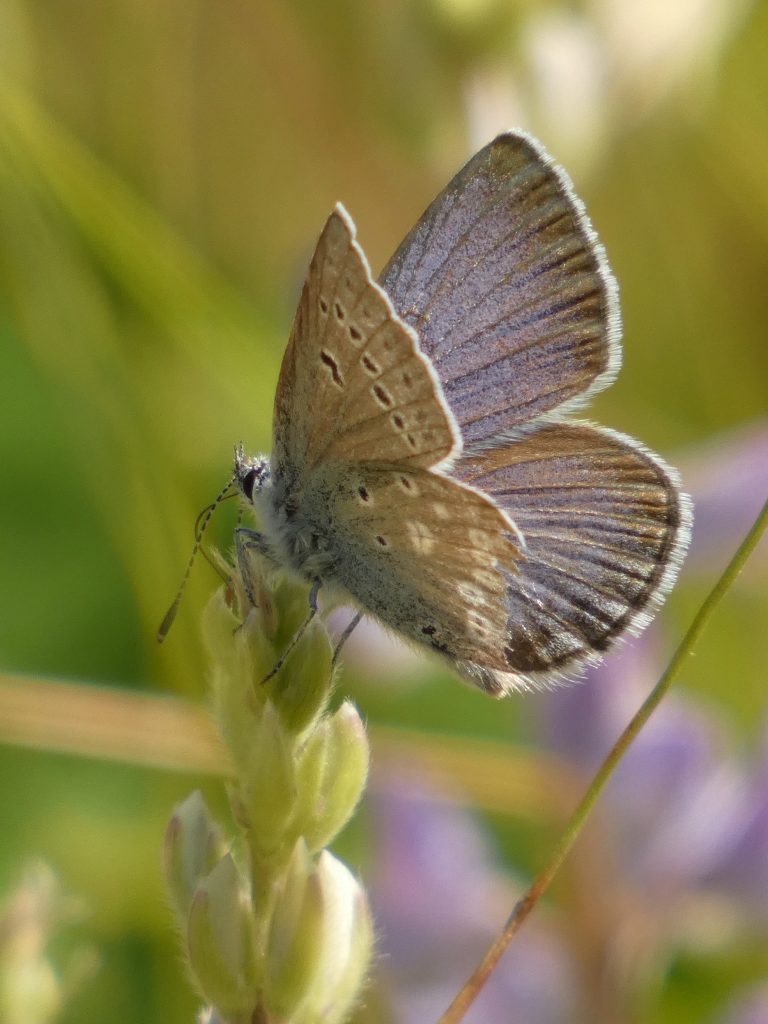
A central finding from this work is that when the right plants are established, butterflies appear rapidly. Even specialist species—those that rely on specific plants—can return within a short time.
So, a major focus of the project has been understanding the link between plants and butterflies. The results show that diverse native plant communities attract the greatest range of butterfly species and support long-term habitat resilience.
Project highlights
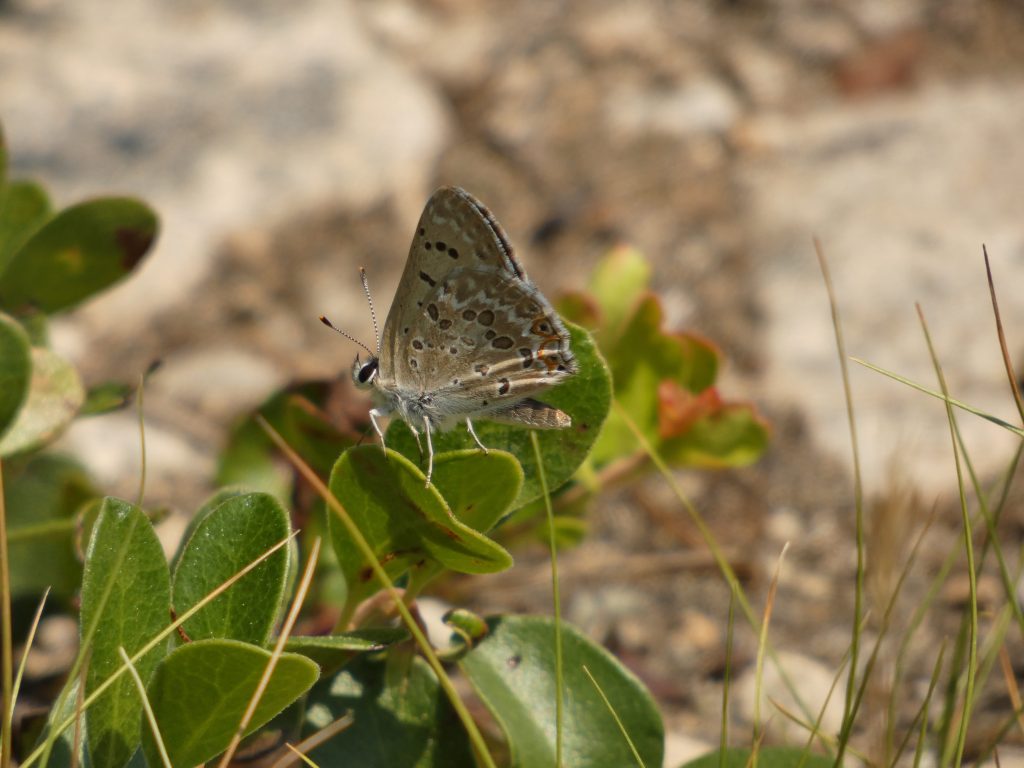
Over five years, the project has delivered strong and measurable results:
- More than 5,500 butterfly records collected
- 59 species identified in Syringa and Beaver Creek parks
- 63 species recorded across all study sites, representing about one-third of B.C.’s butterfly species
- Four newly documented species namely Edith’s Copper, Sylvan Hairstreak (Satyrium sylvinus), Western Tailed Blue (Cupido amyntula), and Northern Checkerspot (Chlosyne palla)
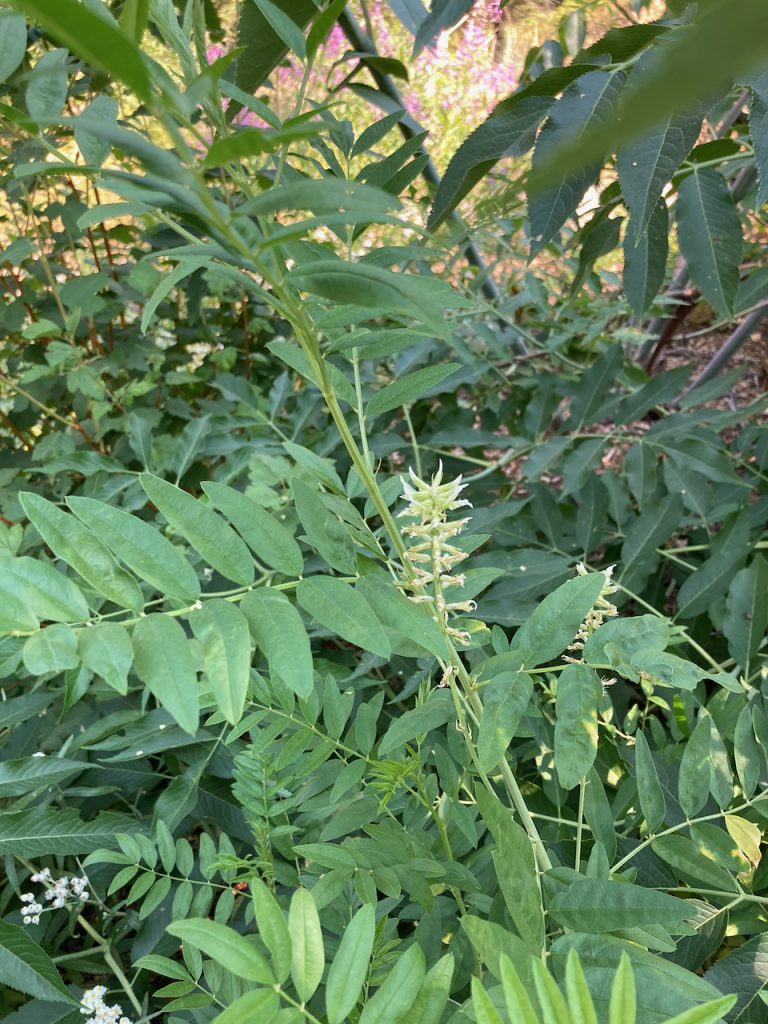
- Identification of priority plant lists for butterflies in the Lower Columbia region, including 10 nectar plants and 7 host plants
- High plant restoration success – 90% at Syringa lowland sites and 87% in Beaver Creek upland areas
Together, these findings represent one of the most detailed butterfly datasets in the BC Interior and provide valuable guidance for future conservation work.
A model for conservation
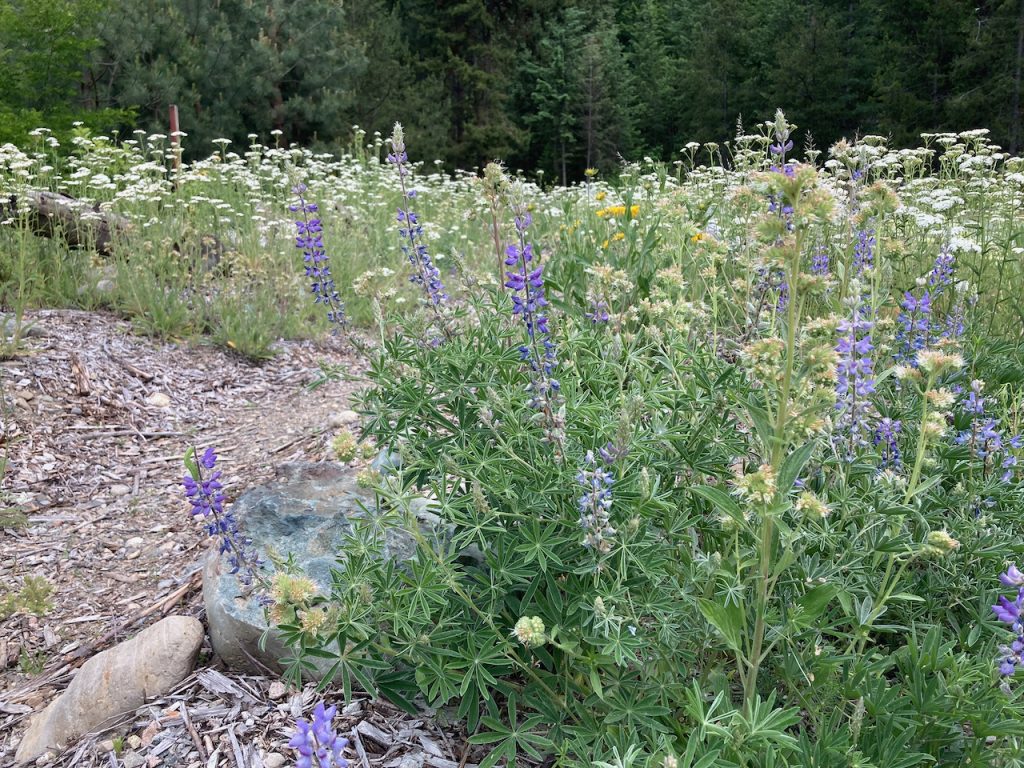
One of the project’s most notable successes from the project is the establishment of the Butterfly Habitat Learning Garden at Syringa Park.
Now in its fourth growing season, the garden has become a thriving habitat that supports a diverse range of butterfly species. By concentrating native plants in a single, accessible space, the garden demonstrates how targeted restoration can quickly produce meaningful ecological results.
It also serves as a valuable educational feature that connects Syringa Park visitors with conservation in action.
Looking ahead
Five years of the Butterfly Habitat Project at Syringa and Beaver Creek Parks clearly demonstrates that:
- targeted native planting is effective
- butterflies respond quickly to habitat improvements
- long-term monitoring strengthens restoration outcomes
- community involvement is critical to conservation success
By bringing together researchers, volunteers, and community members, the project highlights the power of collaboration in protecting biodiversity.
As this work continues, it offers a strong model for how local restoration efforts can deliver lasting benefits for species, ecosystems, and people across British Columbia.