West Central Vancouver Island Forest Landscape Plan
On this page:
closed
Survey closed December 15, 2025 at 4:00pm
Overview
Dates: October 15 to December 15, 2025
Who: The Ministry of Forests
What: A Forest Landscape Plan for the west coast of central Vancouver Island
Where: Vancouver Island
Why: To learn the values local communities place on the forest ecosystems to inform future forest management approaches.
How: Online and in-person
Engagement summary
The West Central Vancouver Island Forest Landscape Plan (WCVI FLP) is one of the new provincial projects shaping a new framework for sustainable forest management in British Columbia and is being developed government-to-government with the Mowachaht/Muchatlaht First Nation (MMFN), the Ka:yu:’k’t’h’/ Che:k’tles7et’h’ First Nations (KCFN), and the Ehattesaht Chinehkint First Nation (ECFN). This project seeks to address challenges of climate change and cumulative impacts of natural and human disturbance on the land. Local community values and input will be reflected while developing direction to manage ecosystem health and resiliency and balance economic opportunities.
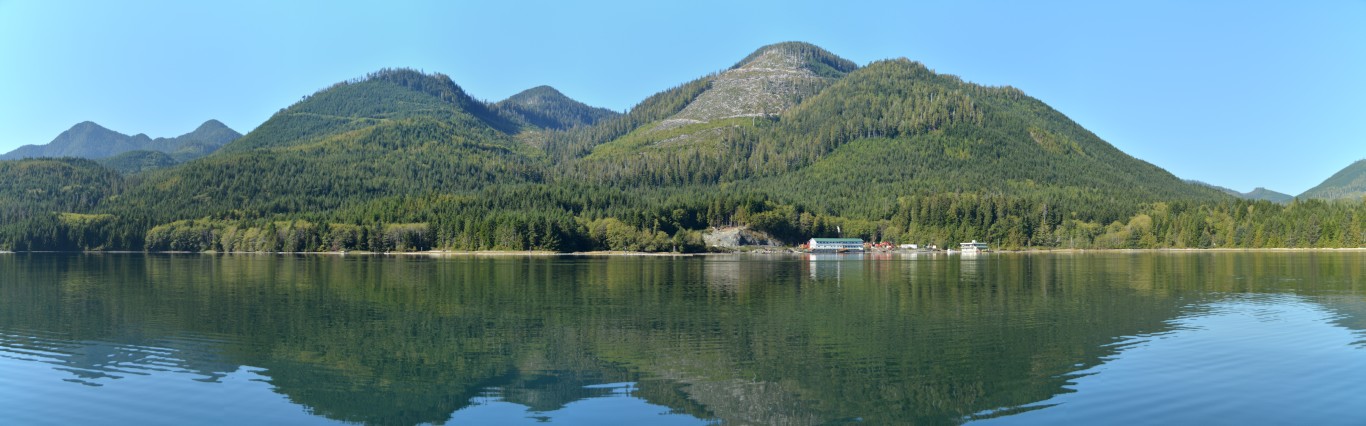
This project is within the Strathcona Regional District, covers approximately 594,000 hectares and includes the communities of Kyuquot, Ehatis, Zeballos, Tsaxana, Gold River, and Tahsis.
First Nations are working collaboratively with the Ministry of Forests and proposed values have been summarized in a Common Vision Intentions Paper (CVIP). The CVIP provides a summary of the unified vision and direction of the WCVI FLP, which will guide the subsequent FLP planning process.
Please visit the WCVI FLP webpage to view information about the open houses being held.
The WCVI FLP Project boundary maps can be found here:
- West Central Vancouver Island Forest Landscape Plan Map
- West Central Vancouver Island Forest Landscape Plan Map with Management Units
How your contribution makes a difference
The West Central Vancouver Island Forest Landscape Planning Project is in Phase 2 of the 5-phase process for developing a FLP. This phase focuses on “values identification and assessment” for FLP. This involves learning the values local communities place on forest ecosystems to inform future forest management approaches
Related engagements